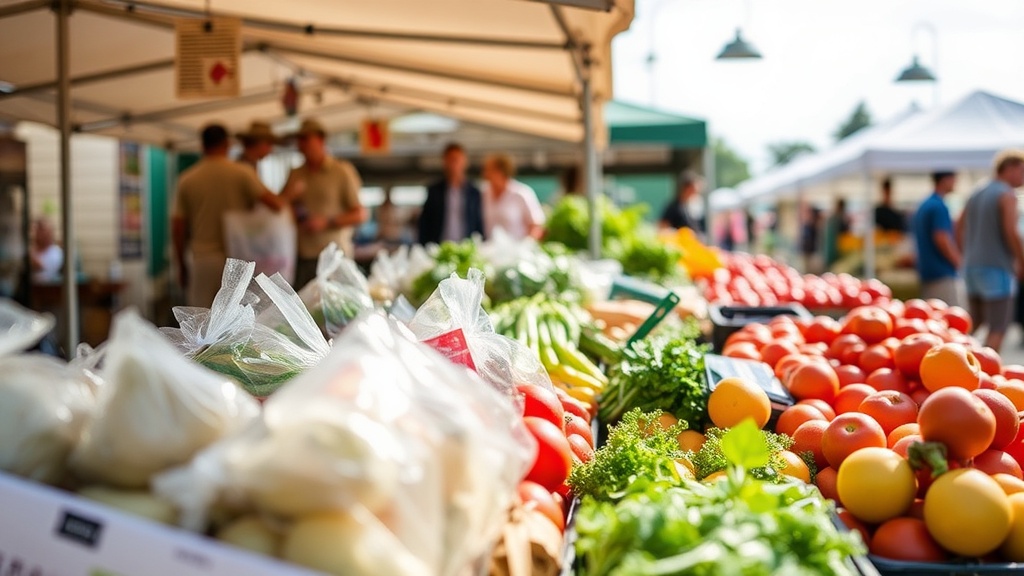
Making the Most of Your Weekend at the Summerside Farmers Market

This guide provides a practical blueprint for navigating the Summerside Farmers Market, including timing strategies, budget-friendly shopping tips, and how to identify the freshest Atlantic Canadian produce. You'll find specific advice on what to bring, how to manage your time, and how to ensure you walk away with the best local goods before the top items sell out.
When is the Best Time to Visit the Summerside Farmers Market?
The best time to visit is early in the morning, specifically between 8:00 AM and 9:30 AM, to secure the widest selection of perishable goods. While the market stays open for several hours, the most popular vendors—especially those selling fresh seafood and artisanal breads—often sell out of their signature items within the first ninety minutes.
If you're a late sleeper, don't worry. You can still find plenty of hearty vegetables and baked goods in the late morning, but the "first pick" energy is definitely gone by 11:00 AM. I've seen people arrive at 10:30 AM only to find that the best local honey and the freshest berries are already gone.
Here is a quick breakdown of what to expect at different times:
| Time Slot | Crowd Level | Best For... |
|---|---|---|
| 8:00 AM - 9:30 AM | Moderate | Fresh seafood, specialty breads, and premium berries. |
| 9:30 AM - 11:00 AM | High | General grocery shopping and social browsing. |
| 11:00 AM - Close | Low | Finding deals on remaining produce and lower-stress shopping. |
If you want to avoid the crowds entirely, aim for the very start of the setup period. It's a great way to see the vendors getting ready, though you might have to wait a few minutes for everything to be fully displayed.
What Should You Bring to the Farmers Market?
You should bring reusable canvas bags, a sturdy cooler bag for perishables, and small denominations of cash for easy transactions. While many vendors are moving toward digital payments, several local artisans still prefer cash or may have spotty cellular service depending on the weather or crowd density.
Don't forget a reusable water bottle. Walking around the market can get surprisingly warm, especially if the Atlantic humidity kicks in—and we all know how that goes. It's also smart to have a small notebook or a digital list on your phone so you don't forget that one specific item, like the local maple syrup, that you intended to grab.
A few things to keep in your kit:
- Heavy-duty tote bags: For heavy items like potatoes or jugs of cider.
- Insulated bags: Vital if you're buying fresh fish or dairy products.
- Small change: For the smaller vendors or when tipping.
- A reusable coffee cup: Many people grab a coffee nearby while they browse.
If you find yourself with a full basket and a bit of extra time, you might want to find a spot to sit and enjoy your finds. You can check out my tips on where to grab a coffee and a quiet moment in Summerside to find a nice spot nearby. It's a great way to decompress after the morning rush.
How Do I Find the Best Local Seafood?
Look for vendors who can clearly identify their catch and provide documentation regarding the source of their seafood to ensure you're getting high-quality, sustainable Atlantic products. The best seafood is usually found at the very front of the stall, often kept on plenty of crushed ice to maintain freshness.
When you're looking for the best quality, ask the vendor about the "catch of the day." A good vendor won't hesitate to tell you exactly when the fish was pulled from the water. This level of transparency is a hallmark of a reputable local producer. If you want to understand more about the standards for seafood-handling and safety, you can review the guidelines on the Government of Canada food safety page.
For those specifically looking for seafood-centric shopping, I highly recommend reading my guide on finding the best local seafood at the Saturday morning market. It goes into much more detail about specific vendors and seasonal availability.
Pro Tip: Always check the smell. It should be clean and salty, not "fishy." If a vendor is selling pre-packaged smoked salmon or seafood chowder, ensure the packaging is tightly sealed and chilled.
How Can I Save Money While Shopping Local?
You can save money by shopping for seasonal produce and looking for "end-of-day" discounts from vendors who want to clear their inventory. Buying in bulk—such as a large bag of local potatoes or a flat of strawberries—is often much more cost-effective than buying individual portions.
It's easy to get carried away by the smells of fresh bread and local honey. However, a disciplined approach to your list will save you a significant amount of money. Here is a strategy for a smart market run:
- Check your pantry first: Don't buy what you already have at home.
- Prioritize seasonal items: Buying what's in season in Prince Edward Island means better flavor and lower prices.
- Ask about bundles: Many vendors offer a "3 for $X" deal on vegetables or fruits.
- Stick to a budget: Decide on a cash amount before you arrive to avoid overspending.
While the quality is higher than what you'd find at a big-box grocery store, the prices can sometimes reflect that. That said, the value of supporting the local economy—and getting much fresher ingredients—is worth the slightly higher price tag for many of us. It's a direct investment in our neighbors.
One thing to watch out for is the "impulse buy" trap. The artisanal soaps and hand-poured candles are incredibly tempting, but if you're there for groceries, try to stick to your list. It's easy to justify a $12 candle when you're already in the "shopping mood."
After you've finished your shopping, you might want to enjoy a walk by the water. If you've grabbed some fresh snacks, you might be interested in picking the perfect picnic spot near the water to enjoy your haul. It's a classic Atlantic Canada way to spend a Saturday.
If you find yourself with a lot of heavy bags, don't be afraid to ask a vendor for a little help or a sturdy paper bag. Most people at the market are incredibly friendly and happy to assist.
The atmosphere at the market is part of the draw. It's not just about the food; it's about the community. You'll see familiar faces, hear the local musicians, and feel the energy of the season. It's a much more vibrant experience than a standard supermarket run.
Just remember to keep an eye on your time. If you've arrived later in the morning, you'll need to move a bit faster to catch the remaining goods. But even if you miss the "prime" time, there's always something wonderful to discover if you look closely.
Steps
- 1
Arrive Early for the Best Selection
- 2
Bring Your Own Reusable Bags
- 3
Ask Vendors About Their Harvest
- 4
Carry Cash for Small Vendors