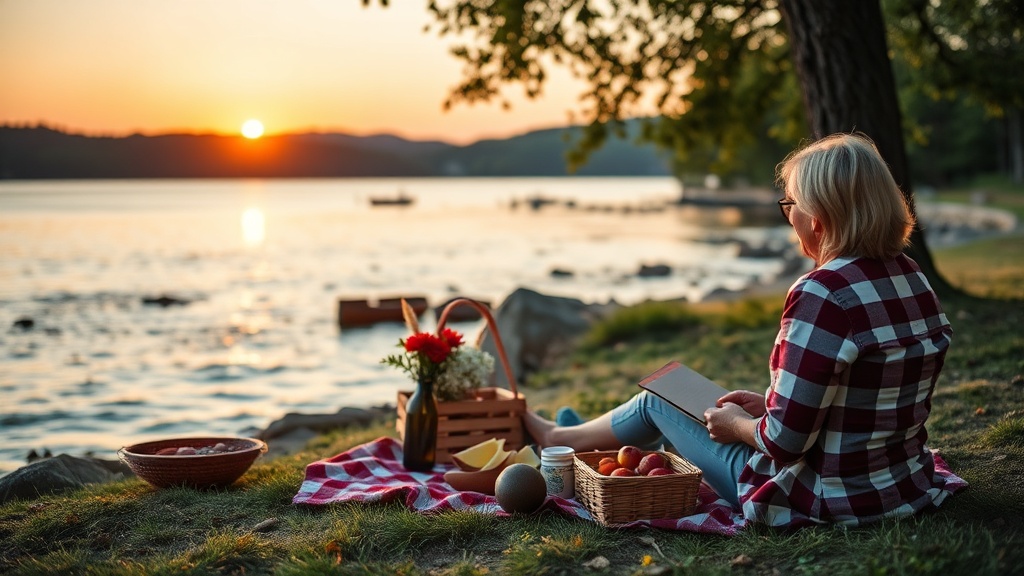
Picking the Perfect Picnic Spot Near the Water

A group of friends gathers at a park near the shoreline, only to realize the wind is blowing their lightweight paper plates straight into the ocean. They’ve brought gourmet sandwiches and chilled beverages, but the constant gust makes it impossible to even hold a napkin. It’s a frustrating way to spend a Saturday afternoon.
Finding the right spot for an outdoor meal near the water in Atlantic Canada requires more than just looking for a patch of green. You need to account for the unpredictable breeze, the local wildlife, and the specific amenities available at different parks. This guide breaks down how to choose a location that stays comfortable from the first bite to the last.
Where are the best picnic spots near the water in Prince Edward Island?
The best picnic spots near the water in Prince Edward Island are typically found in provincial parks or along the Confederation Trail where coastal views meet sheltered greenery. For those staying closer to home, the areas around Spud Island or the various points along the Northumberland Strait offer varying levels of protection from the wind. You’ll want to look for locations that offer a mix of shade and a bit of a windbreak—like a small grove of trees or a gentle slope—to ensure your meal stays on the plate.
If you are looking for something a bit more structured, many of our local parks offer picnic tables which are much easier than a blanket on the ground. However, if you're after that "unscripted" feeling, a simple waterproof blanket and a sturdy basket are your best bets. If you're planning a more extensive outing, you might want to check out Parks Canada for information on protected areas that might have specific rules regarding food and wildlife.
Pro-tip: Always check the tide charts before you head out if you're planning on sitting near the shoreline. A spot that looks perfect at 1:00 PM might be underwater by 4:00 PM if you aren't paying attention.
How do I deal with wind and bugs while eating outdoors?
The most effective ways to deal with wind and bugs are using heavy-weight dinnerware and choosing a location with a natural windbreak. In Atlantic Canada, the wind isn't just a nuisance; it’s a constant factor that can ruin a meal if you aren't prepared. A lightweight linen napkin won't stand a chance against a 20 km/h breeze coming off the Gulf of St. Lawrence.
I've learned the hard way that a heavy ceramic plate or even a sturdy melamine set is much better than paper. Also, don't underestimate the power of a good weight. If you're using a tablecloth, bring some heavy stones or even a couple of heavy canned goods to keep the edges from flying up. It sounds silly, but it saves a lot of heartache.
When it comes to the bugs—specifically the notorious black flies or mosquitoes—preparation is everything. You can't just rely on luck. Here is a quick checklist of what to pack to keep the pests at bay:
- High-quality repellent: Look for something with DEET or Picaridin if you're in a high-density area.
- Citronella candles: These work well if you are sitting at a stationary table rather than on a blanket.
- Portable fans: A small, battery-operated fan can create enough air movement to keep mosquitoes from settling.
- Long-sleeved light clothing: Even if it's warm, a thin linen shirt can be a lifesaver.
If you want to pair your picnic with a great local treat, you might want to look into finding the best local seafood to build a high-end menu that's worth the effort of packing.
What gear should I pack for a coastal picnic?
You should pack gear that prioritizes durability and weather resistance to handle the coastal environment. Since the weather can shift from sunny to misty in a matter of minutes, your gear needs to be versatile. A heavy-duty cooler is a non-negotiable item if you're bringing anything cold.
I personally swear by the Yeti Tundra series for long days out because it keeps ice frozen even when the sun is beating down on the coast. If that's too much of an investment, any high-quality insulated bag will do the job. The key is to ensure your drinks stay cold and your perishables stay safe.
| Item Category | Must-Have Product/Tool | Why It Matters |
|---|---|---|
| Seating | Heavy-duty folding chair | More stable than a blanket on uneven sand/grass. |
| Storage | Insulated Cooler | Keeps seafood or dairy at a safe temperature. |
| Dining | Stainless steel or Melamine | Won't blow away or break if dropped. |
| Cleanup | Biodegradable wet wipes | Essential for sticky fingers and cleaning up after a meal. |
Don't forget the trash situation. Many of our coastal areas have limited bins, and it's vital to pack out what you pack in. Bring a dedicated bag for your scraps and even your coffee grounds. Leaving no trace is the only way to keep these beautiful spots beautiful for the next person.
If you're looking for a more relaxed vibe before your big outing, you might enjoy grabbing a coffee and a quiet moment in town first to soak in the local atmosphere.
How can I choose between a beach or a park location?
Choosing between a beach or a park depends entirely on whether you want to be near the water's edge or protected from the elements. Beaches offer that direct connection to the ocean and the sound of the waves, but they are much more exposed to wind and sand. Parks, on the other hand, offer more shade, more stable ground, and usually more protection from the sea breeze.
If you're looking for a romantic or high-end experience, a park with a view is often better. You can sit on a bench or a stable blanket without worrying about sand getting into your food. If you're with kids who want to run around and splash, the beach is the obvious winner. Just be prepared for the sand—it gets everywhere. I once spent three days finding sand in my car after a single afternoon at the shore.
Consider the following factors when making your final decision:
- Wind Direction: Check a local weather app. If the wind is coming directly off the water, a park with a tree line will be much more comfortable than an open beach.
- Terrain: Sand is fun, but it's hard to eat on. If you're bringing a laptop or a book, stick to the grass.
- Amenities: Does the location have a nearby restroom or a water fountain? This can make a huge difference for longer outings.
- Accessibility: If you're bringing heavy coolers or a wagon, ensure the path to the spot isn't too steep or sandy.
The goal is to spend your time enjoying the view and the food, not fighting with your environment. A little bit of foresight goes a long way in making sure your "perfect" picnic doesn't turn into a messy disaster.
Steps
- 1
Check the Wind Direction
- 2
Scout for Natural Shelter
- 3
Pack a Trash-Free Kit
- 4
Timing the Tide